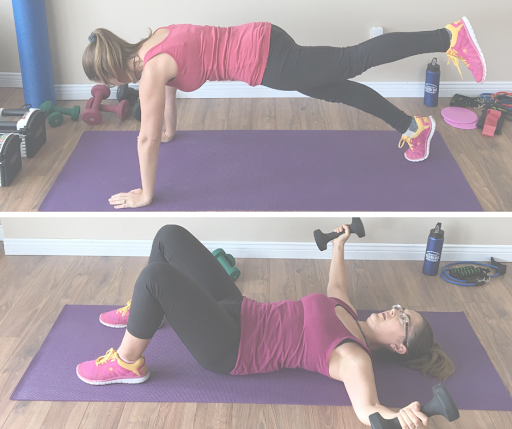
Posts

Best Exercises for Diastasis recti
Image
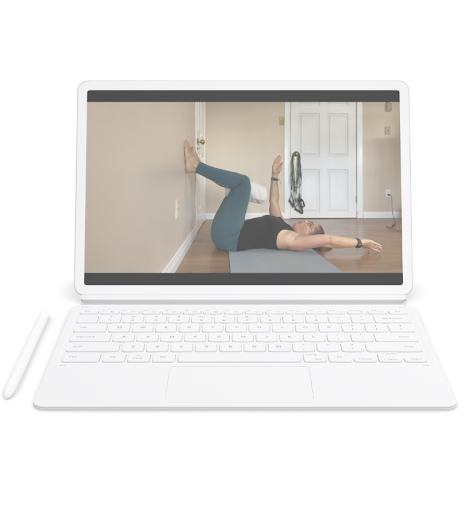
When initially discovering that you have Diastasis recti, a condition where the abdominal muscles have separated, it can be scary, overwhelming, and frustrating. We search the internet for the best exercises to address Diastasis recti, only to end up even more confused by conflicting information, and we may even wonder if healing is possible. However, rest assured that with the right exercises and guidance, most moms can regain a functional core and return to the activities they love. This FREE Diastasis recti program includes the best initial exercises for addressing Diastasis and is suitable for all moms, regardless of how far in the Postpartum period you are, whether it is 6 weeks or 40 YEARS. But before diving into “ab exercises,” it is crucial to grasp the importance of 360-degree breathing. Make sure to explore the resources that come with the program (like the video below) to help you embark on your journey to a stronger core. Beginner Diastasis recti Exerci...

Pelvic floor Dysfunction Symptoms

Image
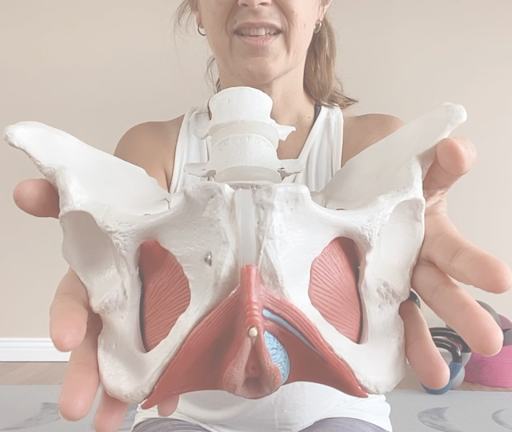
Because there are different types of Pelvic floor dysfunctions (PFD), symptoms of different PFDs can vary or overlap. This can make it hard to diagnose exactly what type of dysfunction you have without seeing a Pelvic floor PT for an internal exam.  In fact, initially you may have no obvious symptoms at all or symptoms such as hip pain may be diagnosed as something else initially. Below I have gone through some Pelvic floor dysfunction symptoms. But if you are still unsure if you have PFD then you can take this quiz here >>> You will be sent information and specific exercises that will help you based on your answers.   There are two main types of Pelvic floor dysfunctions:   An Overactive or Hypertonic Pelvic floor (tight) An Underactive or Hypotonic Pelvic floor (loose/stretched) Common symptoms of an over tight (Hypertonic) Pelvic floor: Hypertonic Pelvic floor muscles are muscles that are too tight (note tig...

Best Cardio for Diastasis recti

Image
I get it, cardio can help you feel better physically and mentally. Getting a sweat on can make you feel happy and clear-headed!  However, if you’re among the over 60% of Moms who experience Diastasis recti , jumping into cardio exercises without caution can lead to injuries. It is crucial to choose safe and appropriate cardio options that won’t make things worse. If you do too much too soon, there is a risk of worsening Diastasis recti. So what is the best cardio for Diastasis recti ?    Below I have gone through some common cardio options. HOWEVER, before starting any high impact cardio I suggest you see a Pelvic floor PT or do initial corrective exercises like you will find in the  FREE  Beginners Program or the Pelvic floor Freedom program ​ while focusing on low impact cardio workouts so that your core has a good foundation before increasing the intensity. This will adequately strengthen your deep core (Pelvic floor and Transverse a...

How to Check for Diastasis recti

Image
If you think you have Diastasis recti, based on your symptoms, but unsure on how to confirm your suspicions. Then you are in the right place. To test to see if you have Diastasis recti you are going to measure BOTH the width and the depth of the gap between the Rectus abdominis (6 pack) muscles. ​ To ensure that you are doing this correctly please watch the below video. I suggest download this tracker to record your measurements. Download Your Tracker You will be looking to measure your gap in three places, and record both the width and the depth at each location. You will do this process twice, once in a semi relaxed state and once when you have engaged your core. How to Measure The process for checking to see if you have Diastasis recti is the same if you had a Caesarean section or a vaginal birth. If you have a little more “fluff” around the abdomen area I give tips in the video to help with that. You want to look for two specif...

Safe exercises for Diastasis recti

Image
Have you ever asked “Is this exercise safe for Diastasis recti?” and gotten conflicting (or worse wrong) answers? This is because the answer is different for EVERYONE! It depends on your breathing, stage of recovery, alignment, strength and so much more. Not sure about your breathing and alignment? Check out my free Blueprint to a Functional core to find out more. Get the Blueprint So how do you know? Well FIRST   if you are early Postpartum you should go and see a Pelvic floor PT or do initial corrective exercises like you will find in the FREE   Beginners Program or the Pelvic floor Freedom program before starting back into any more traditional workouts so that your core has a good foundation. ​ This will adequately strengthen your deep core (Pelvic floor and Transverse abdominis), start healing your connective tissue, AND reduce the gap without the possibility (and PROBABILITY) of hindering your progress. THEN as you start to progress the types o...